


Why the 2026 Honda Prologue Makes EV Ownership Easier Than Ever
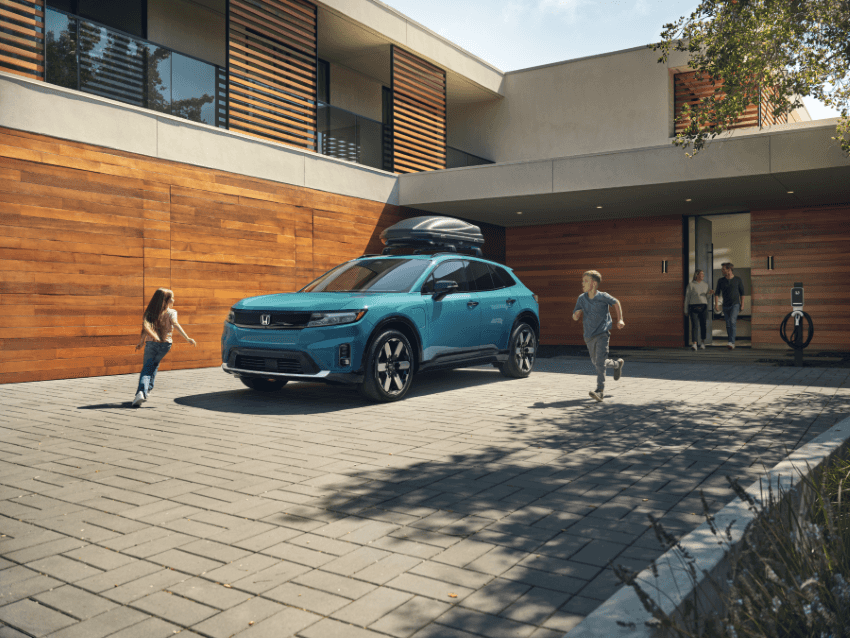
Buying an electric vehicle is no longer just about going green. For many drivers, the real appeal of EV ownership is practical: lower fuel costs, simpler daily routines, and a more comfortable drive every time you get in the car. The 2026 Honda Prologue is a strong example of that shift, combining everyday convenience with the kind of range and charging speed that make EV ownership feel straightforward instead of complicated.
If you have been considering an EV but are still unsure whether the lifestyle will actually fit your day-to-day routine, the Prologue makes a compelling case. It is designed around the biggest benefits most drivers want: charging at home, spending less on energy, preconditioning the cabin before departure, and making road trips less stressful. Here is what stands out most.
Lower fuel costs
One of the clearest benefits of buying an EV is the potential for major fuel savings. In 2026, EV home charging costs are often far lower than filling up with gasoline, with typical estimates placing home charging around 4 to 6 dollars per 100 miles for many drivers, depending on electricity rates and efficiency. Another 2026 guide estimates home charging at roughly 3 to 5 cents per mile, which can translate to meaningful annual savings compared with a gas vehicle.
That matters because fuel is one of the biggest ongoing costs of vehicle ownership. With the Prologue, those expenses are replaced by electricity, and most charging happens at home while you sleep. Over time, that simpler energy cost structure can make a noticeable difference in your monthly budget.
Home charging convenience
The biggest lifestyle advantage of an EV is that you can refuel without leaving home. Instead of driving to a gas station every week, you plug in at night and start the next day with a charged battery. For a lot of drivers, that alone changes how ownership feels.
The 2026 Honda Prologue is well suited to this kind of routine. Honda says the Prologue can add up to 34.1 miles of range per hour on a Level 2, 240-volt home charger, which is enough to make overnight charging very practical for daily use. In other words, you are not managing fuel stops — you are just plugging in as part of your normal evening routine.
Less time spent running errands
EV ownership saves time in a way that is easy to underestimate. Gas vehicles require dedicated fuel stops, which means extra trips and interruptions during the week. With a home charger, the “fill-up” happens while the car is parked and you are doing something else.
That convenience becomes even more valuable for drivers who commute regularly or have family schedules to juggle. Instead of carving out time to get gas, you reclaim those minutes every week. For many buyers, that is one of the biggest hidden benefits of switching to an EV.
Comfort before you get in
Another major EV advantage is the ability to precondition the cabin before you leave. That means you can warm up the interior on a cold morning or cool it down on a hot afternoon before you ever open the door. The result is a more comfortable start to every drive.
Honda’s connected features make that especially useful on the Prologue, since climate control and remote access can be managed through connected services. Instead of waiting for the cabin to catch up after you start driving, the car is already at the temperature you want. That is a simple feature, but it makes daily use feel more premium and more convenient.
Strong road-trip charging
A common concern for first-time EV shoppers is whether road trips become a hassle. With the 2026 Prologue, the answer is much more reassuring than it used to be. The vehicle supports DC fast charging at up to 150 kW, and published 2026 guides report roughly 65 miles added in about 10 minutes, or about 20% to 80% in around 35 minutes.
That does not mean you will charge like you fill a gas tank, but it does mean charging stops can fit naturally into a meal or coffee break. For longer trips, that makes the Prologue feel more usable than older EVs that required much longer charging sessions. It is a good balance of range, speed, and everyday practicality.
Range that fits real life
The 2026 Prologue also offers the kind of range that makes EV ownership easier for typical driving. Current spec listings put the Prologue around 283 to 308 miles of EPA-estimated range depending on trim and drivetrain. That is enough range for most commutes, errands, and weekend driving without needing to plug in constantly.
For most buyers, that means the battery becomes something you manage casually, not something you think about all day. You plug in when it is convenient, not because you are anxiously watching the gauge. That mental simplicity is part of the appeal.
Better cold-weather usability
Cold weather affects EVs, just as it affects gasoline vehicles, but EV-specific features can help reduce the hassle. Honda’s battery preconditioning guidance explains that the vehicle can adjust battery temperature to support better charging performance when conditions are cold. That matters because warming the battery in advance can help the car charge more efficiently when you arrive at a fast charger.
For drivers in northern climates, this is a real quality-of-life improvement. It helps reduce the frustration of winter charging and makes the vehicle feel better prepared for the realities of year-round driving. Combined with cabin preconditioning, it makes cold-weather ownership much more manageable.
Why the Prologue stands out
The 2026 Honda Prologue is attractive because it brings the EV benefits together in a package that feels familiar and approachable. It offers home charging convenience, meaningful fuel savings, useful climate control features, and fast charging that supports road trips. That combination is exactly what many shoppers want when they start looking beyond the hype and focus on how the vehicle will fit into real life.
If you are considering an EV, the Prologue makes a strong case that electric ownership can be simpler, cheaper, and more comfortable than gas ownership. For a lot of drivers, that is the real reason to make the switch.
0 comment(s) so far on Why the 2026 Honda Prologue Makes EV Ownership Easier Than Ever